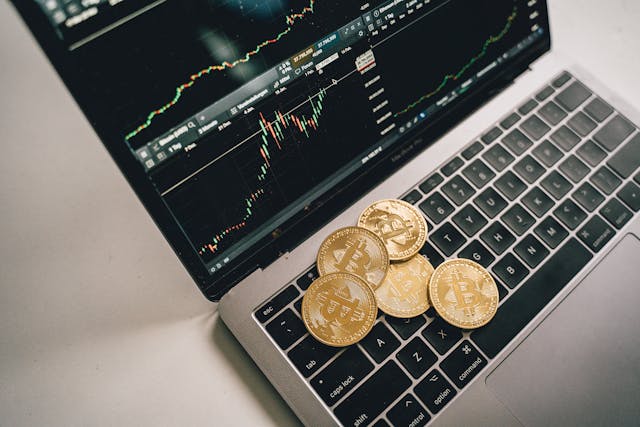
Online trading has opened doors for millions of people to invest and grow their wealth. However, trojan on solana has also become a hotspot for scams. Fraudsters use various tactics to deceive unsuspecting traders, leading to financial losses and stolen personal data. Let’s explores the most common online trading scams and provides essential tips on how to avoid them.
1. Ponzi and Pyramid Schemes
Scam work by using money from new investors to pay earlier investors, creating an illusion of profitability. Eventually, when new investors stop joining, the scheme collapses, leaving most participants with nothing. To avoid such schemes, always research investment opportunities thoroughly and be cautious of guarantees of high returns with no risk.
2. Fake Trading Platforms
Some fraudulent platforms appear legitimate, offering trading services in forex, stocks, or cryptocurrency. These websites often have professional designs and convincing testimonials but lack regulatory approval. Investors deposit money, but when they try to withdraw, they face delays, hidden fees, or complete account bans.
3. Phishing Scams
Phishing scams involve fraudulent emails or messages that trick traders into providing personal details or login credentials. These scams often mimic legitimate companies, urging users to update account details or verify transactions. Clicking on fake links can lead to financial theft. To protect yourself, never click on suspicious links, and always verify website URLs before logging in.
4. Pump and Dump Schemes
This scam targets cryptocurrency and penny stock traders. Scammers artificially inflate an asset’s price by spreading false news and attracting buyers. Once the price peaks, they sell off their holdings, causing the price to crash and leaving other investors with losses. To avoid this, conduct independent research and be wary of sudden price surges fueled by social media hype.
5. Signal Scams
Many traders look for expert advice on when to buy or sell assets. Scammers exploit this by selling fake trading signals, promising high accuracy rates. In reality, these signals are often random or manipulated to attract more buyers. Legitimate trading signals come from licensed professionals, so always verify the credibility of any signal provider before subscribing.
6. Impersonation Scams
Fraudsters often impersonate well-known traders, brokers, or financial influencers to gain trust. They create fake social media accounts or websites and offer special investment deals. Victims send money, believing they are dealing with a real expert, only to realize they have been scammed. Always verify accounts through official sources and never send money to individuals without proper credentials.
7. Withdrawal Restrictions and Hidden Fees
Some fraudulent brokers allow traders to deposit and trade but impose unfair restrictions on withdrawals. They may demand additional fees, prolonged verification processes, or minimum trading volumes before funds can be accessed. Always read a broker’s terms and conditions before signing up and choose well-known, regulated platforms.
Conclusion
Online trading can be a lucrative way to grow wealth, but it also comes with risks, especially from scams. By understanding common fraud tactics and taking proactive steps to verify platforms, traders can safeguard their investments. Always stay informed, conduct thorough research, and remain skeptical of deals that sound too good to be true. With the right precautions, you can navigate the world of online trading safely and confidently.